Make it Yours with TUMI personalisation. Discover


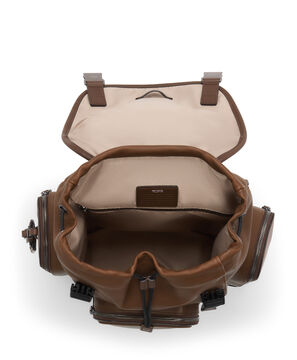


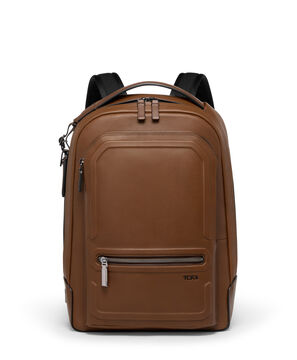
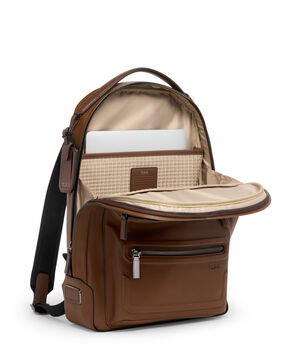
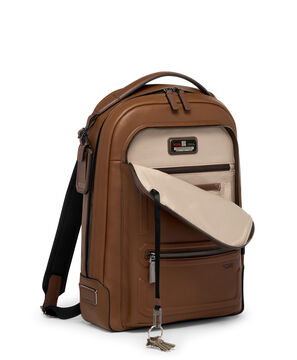


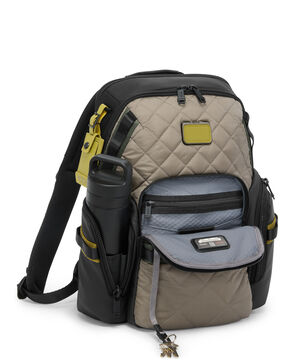
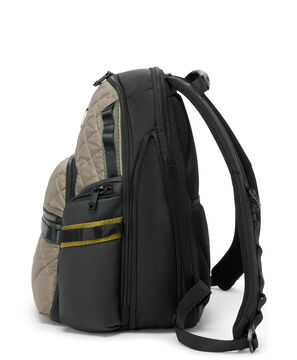
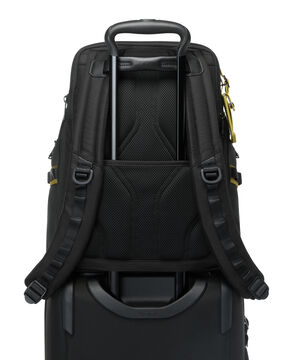
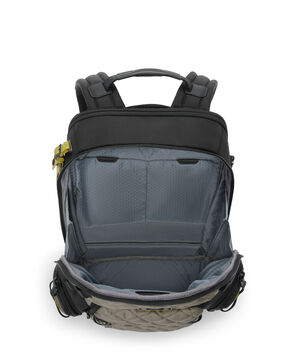
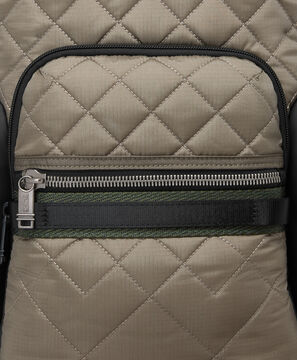

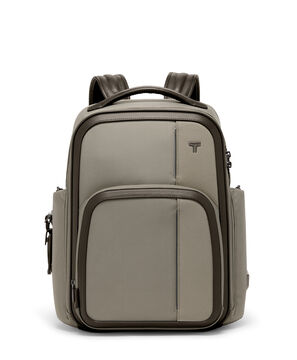
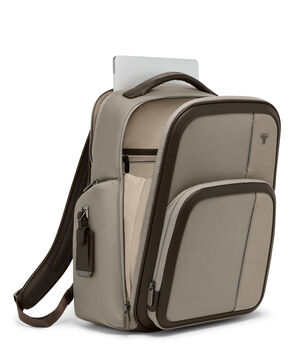
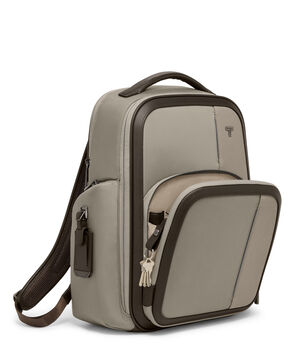

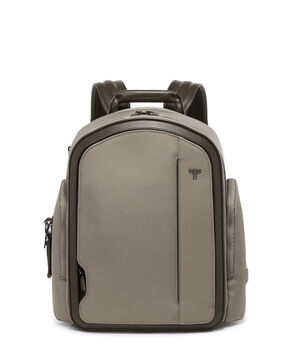
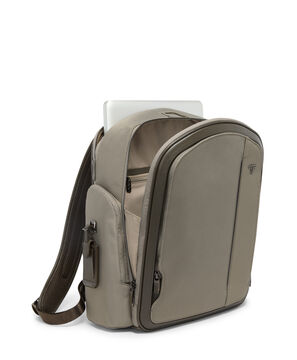
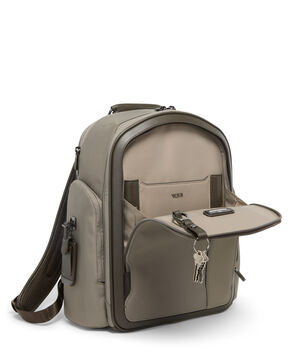
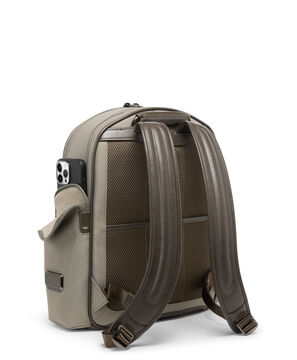


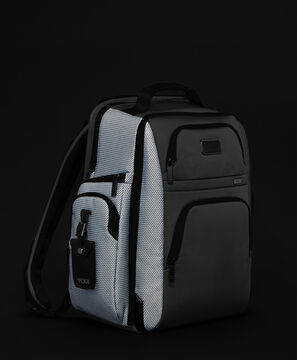

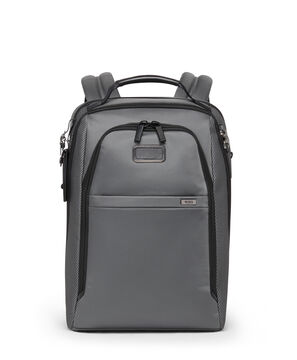
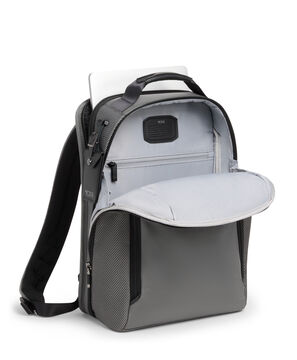
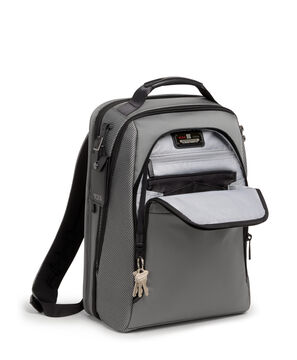


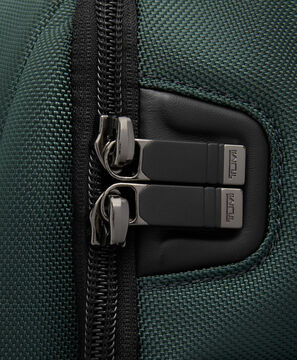


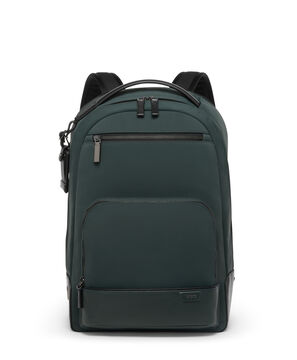
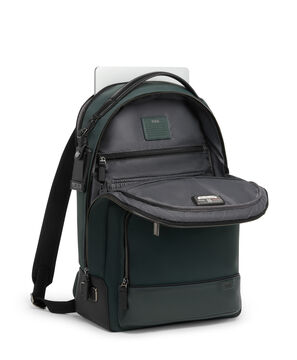
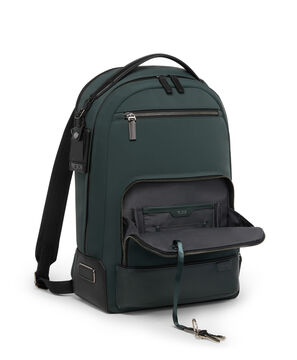





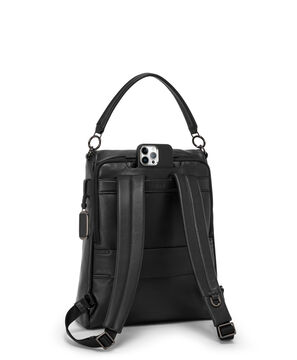
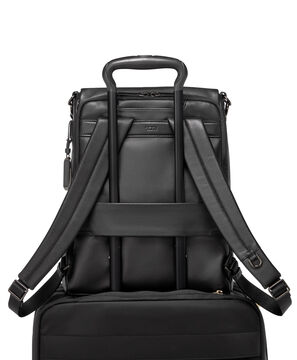
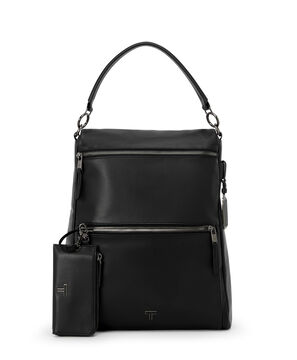


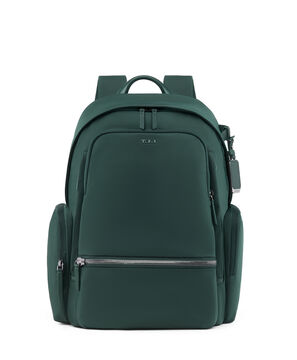



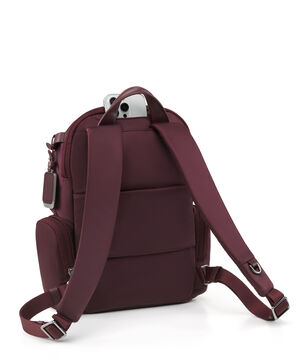


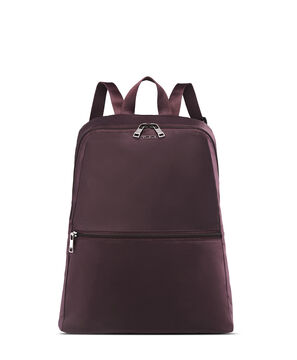
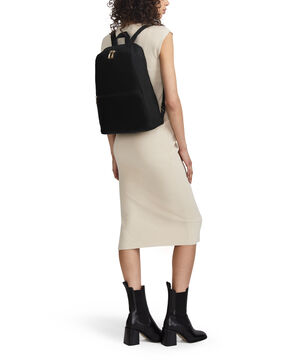
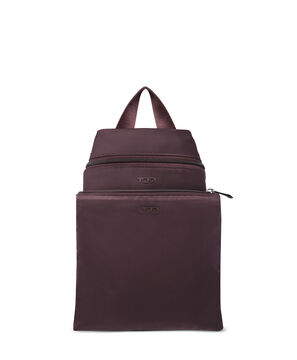
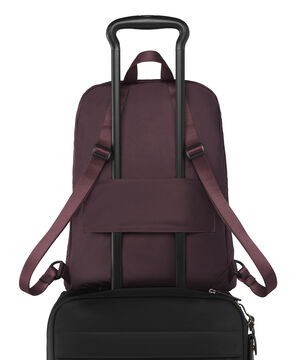


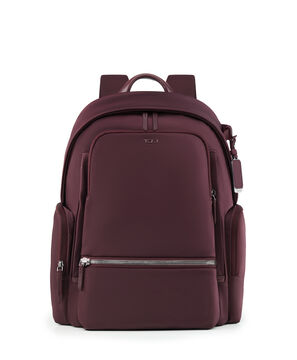
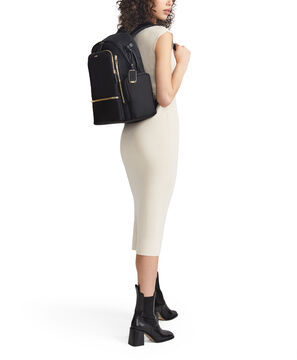
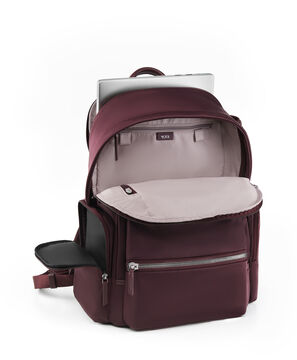
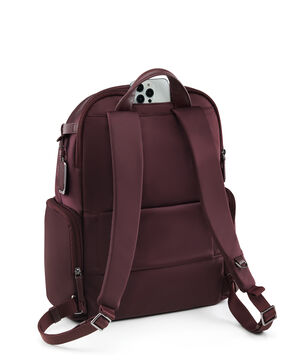

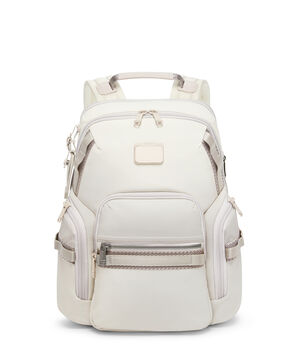
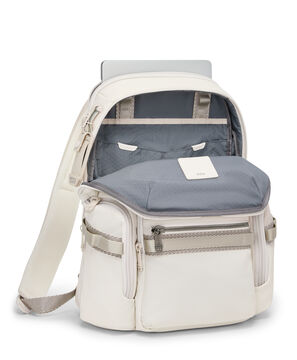
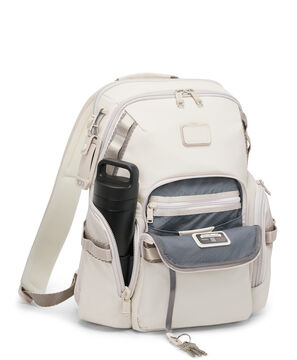
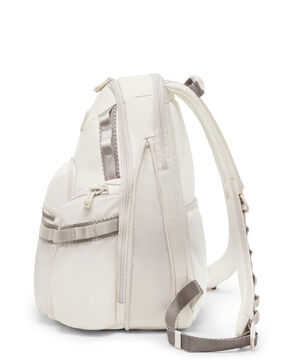
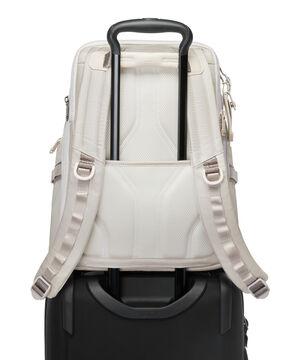
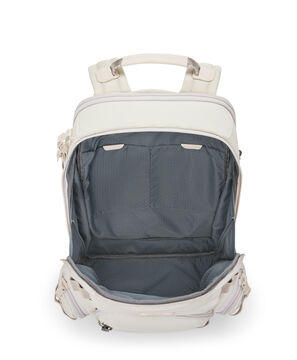


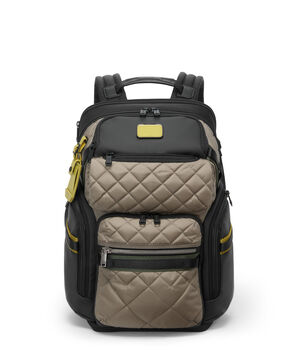
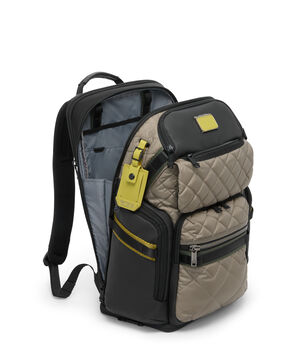
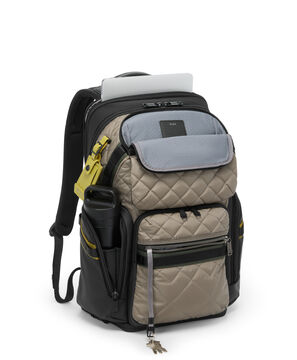
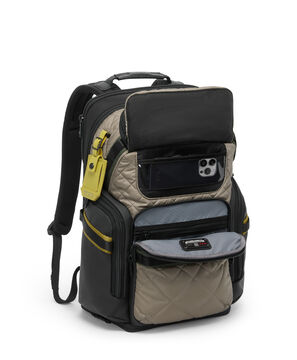
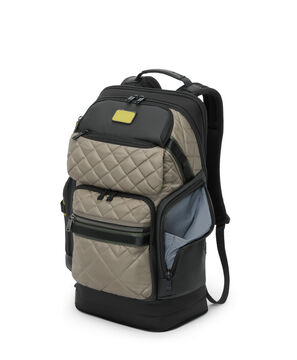




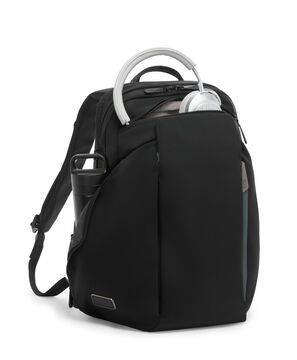
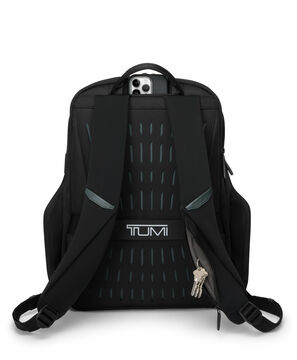
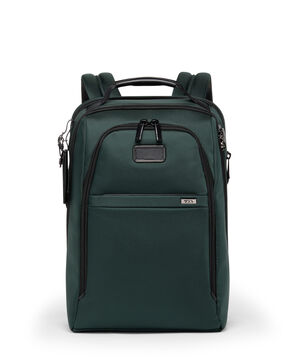
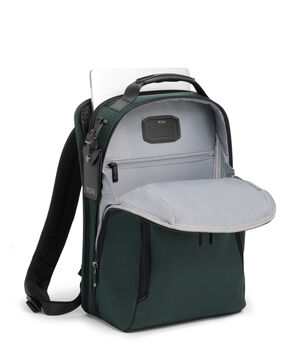
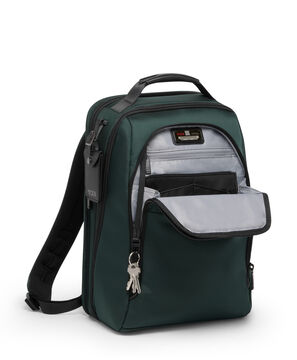
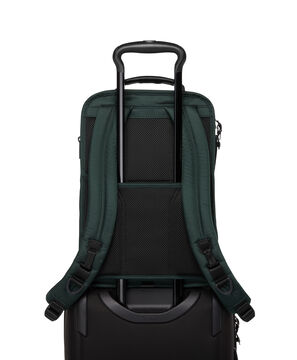
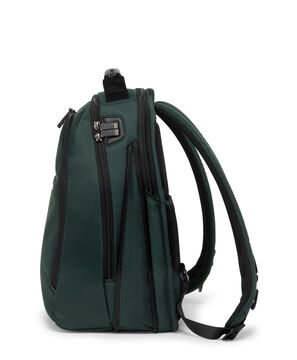
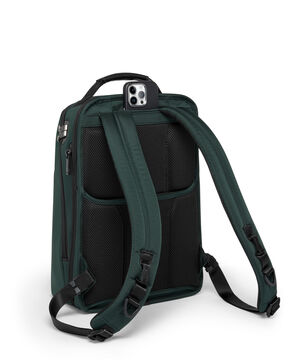


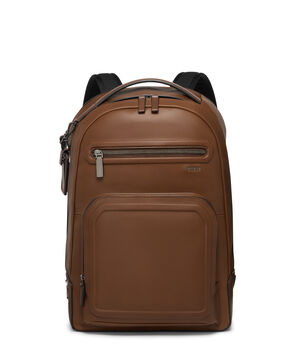
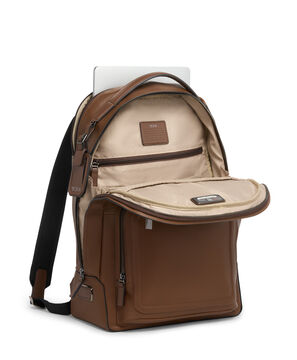





You Might Also Like
Find the right backpack for your day
A backpack is the bag you use without thinking about it, which is exactly why the right one matters. The range divides in two useful ways: by what you need it for, and by what it is made from. Work through those in order and the decision becomes straightforward.
Purpose first, then material
Start with where the bag spends most of its time. That single answer narrows the range faster than anything else, because organisation and shape are built around a specific kind of day.
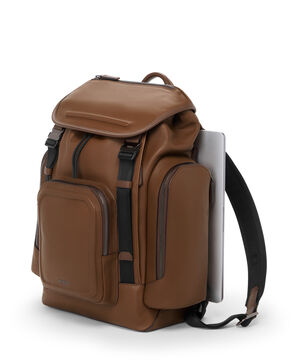
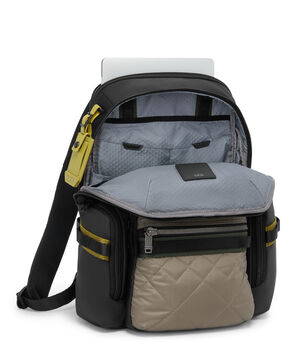
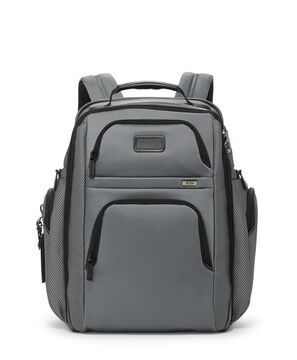
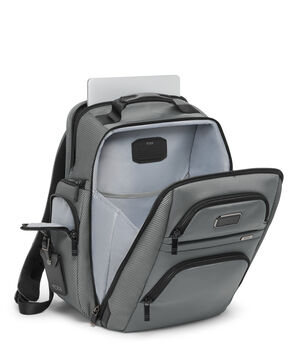
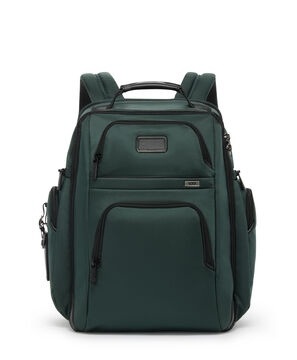
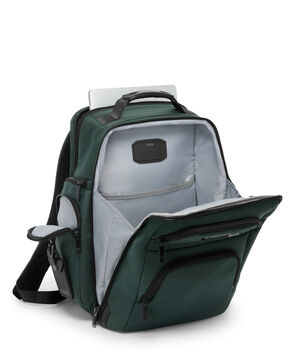
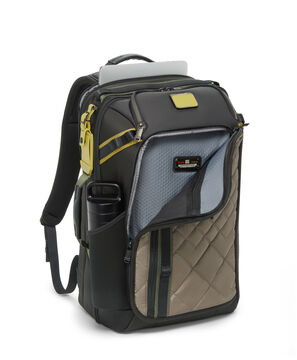
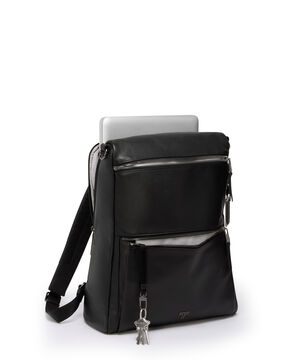
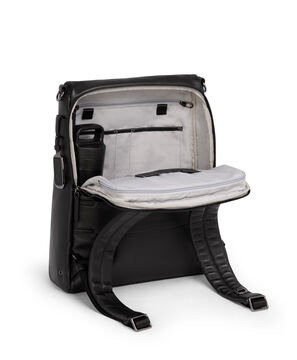
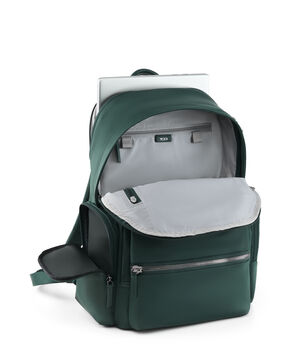
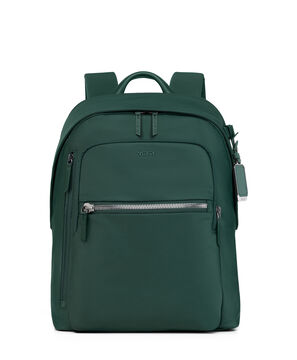
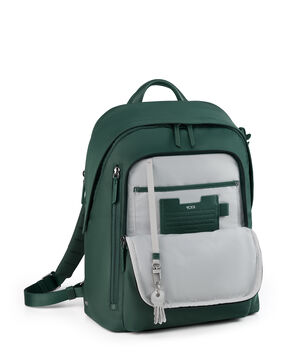
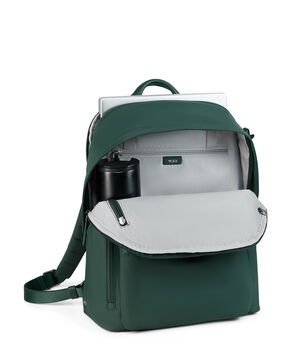
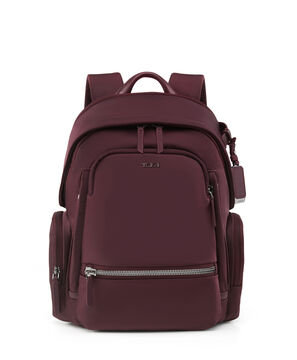
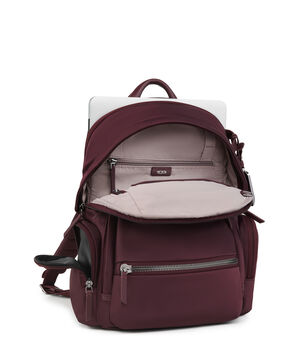
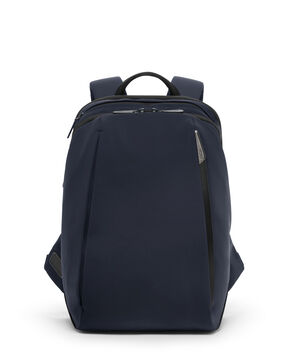
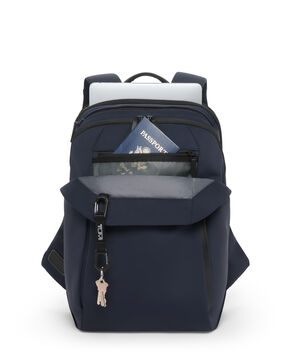
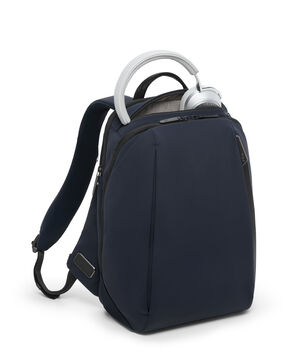
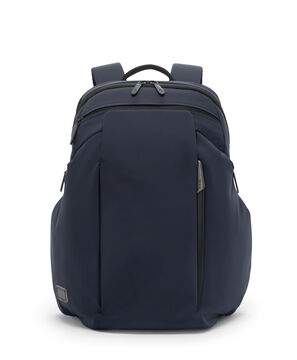
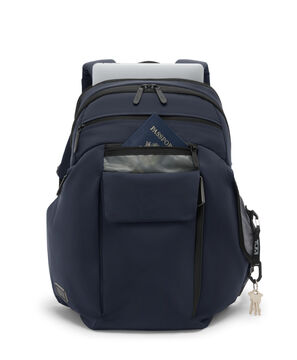
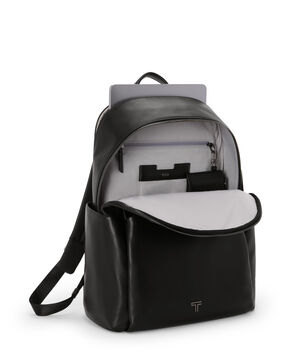
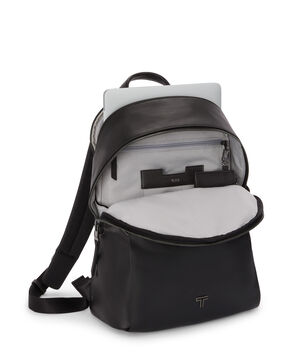
- Laptop backpacks: built around a dedicated device compartment, with places for chargers, cables and everything else a working day involves.
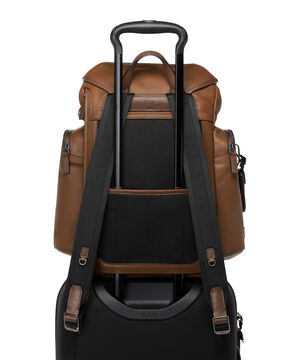
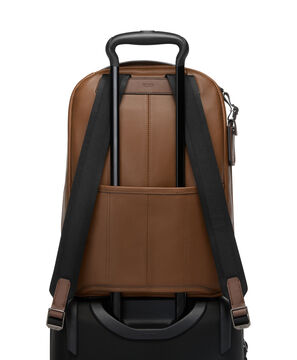
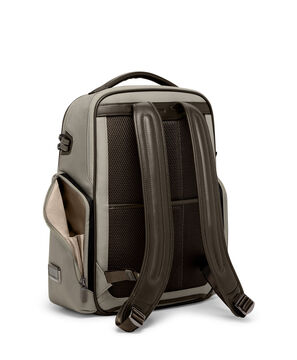
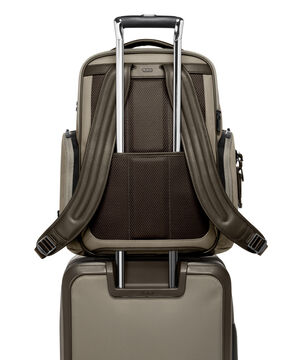
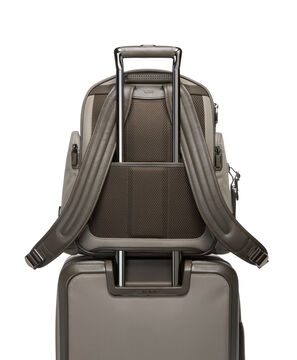
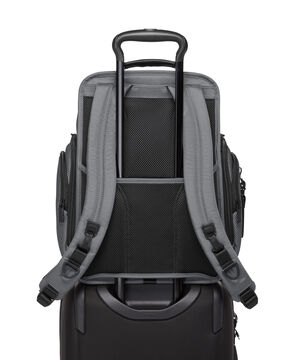
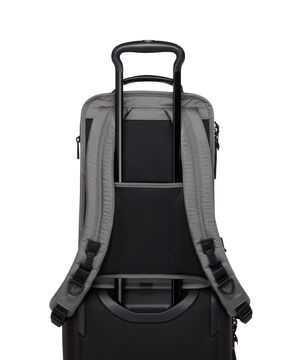
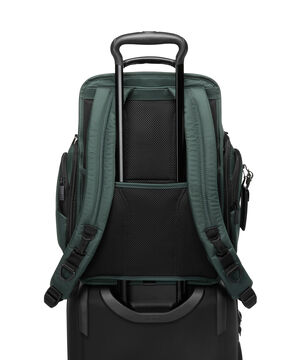
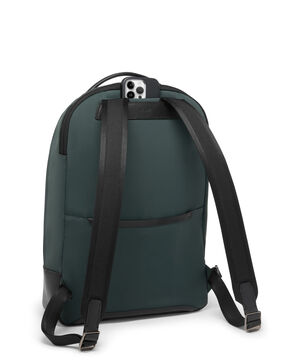
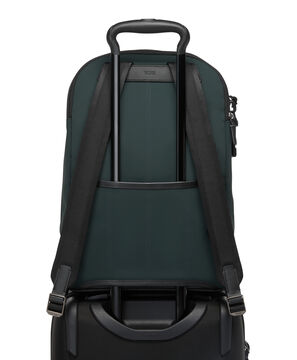
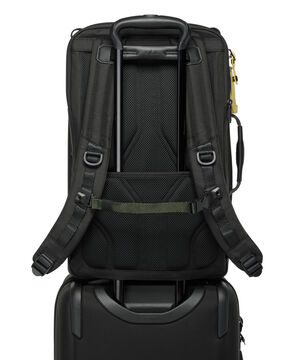
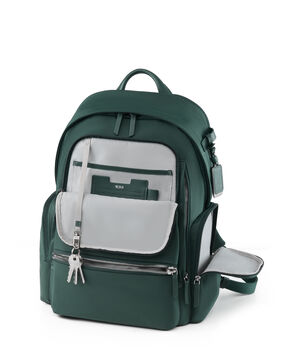
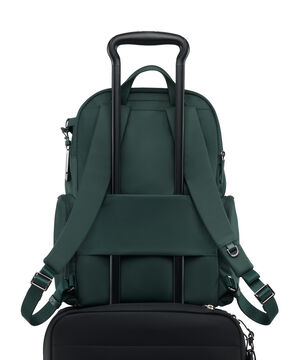
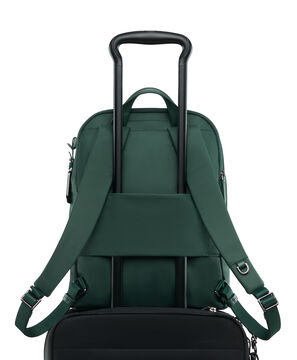
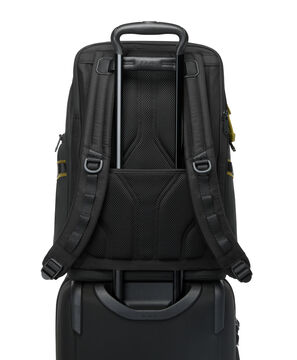
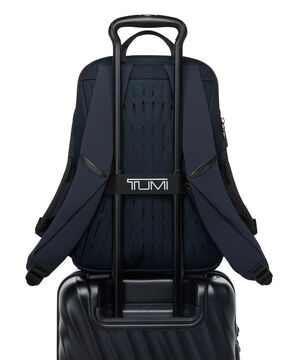
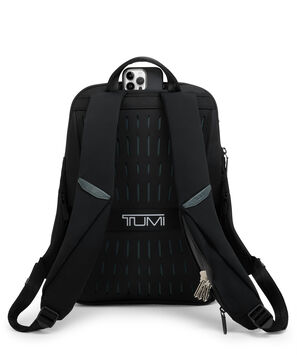
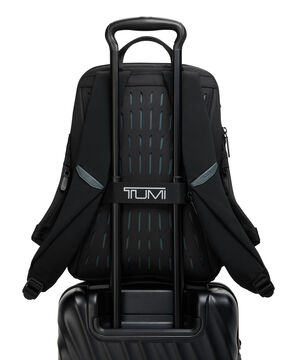
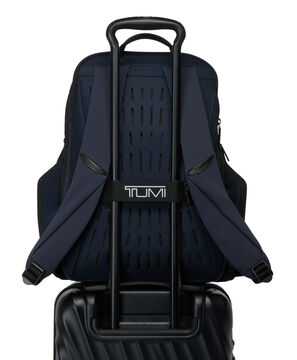
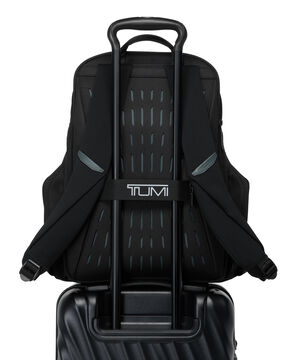
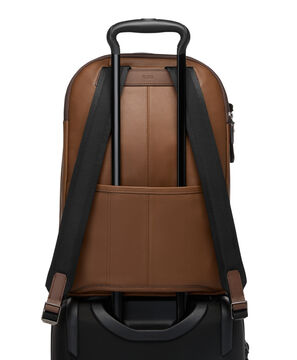
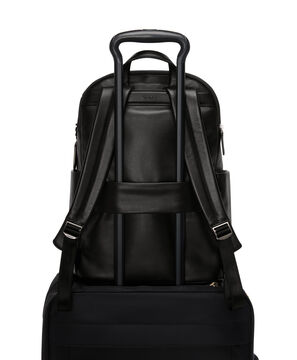
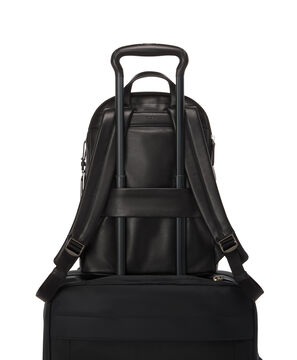
- Travel backpacks: organised around a journey rather than a desk, sized to travel alongside a cabin case as your personal item.
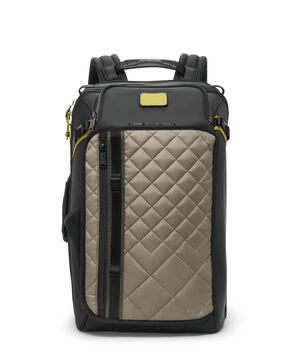
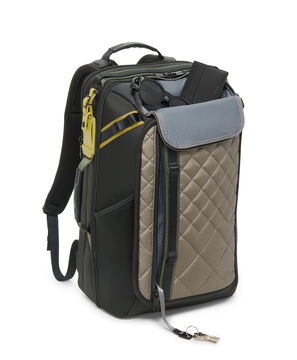
- Sport backpacks: a sport-led shape for weekends, events and days off.
- Travel sets: cases, backpacks and accessories combined, for building a system in one step.
Then choose your material
Material decides how a backpack looks, how it wears and how it suits the room you carry it into. All of them are built to last, so this is a question of preference rather than performance. Three materials have a category of their own:
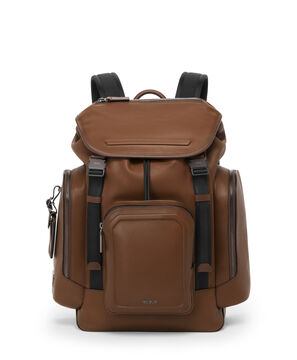
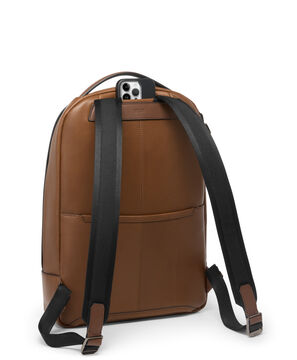
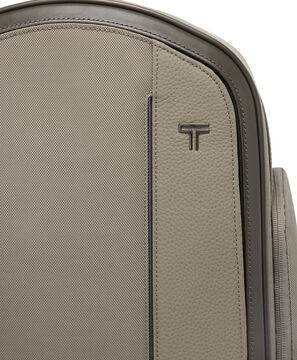
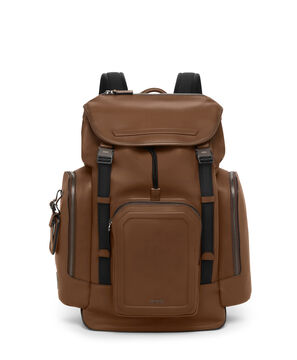
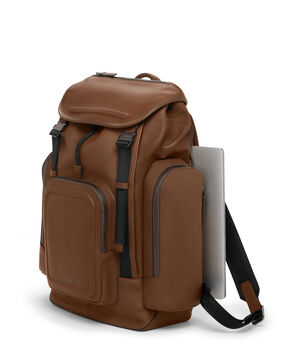
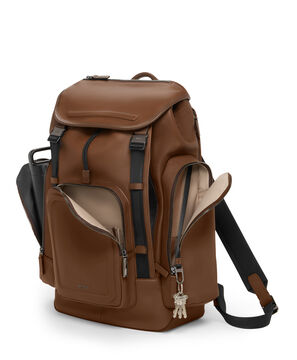
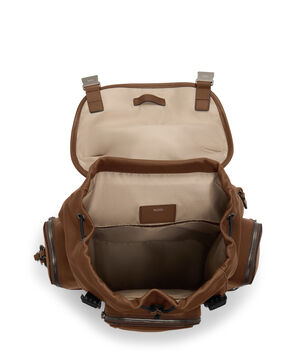
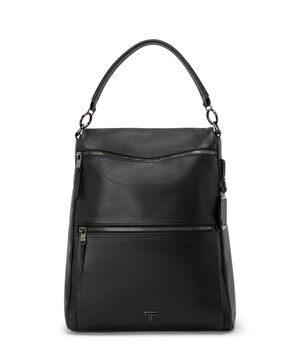
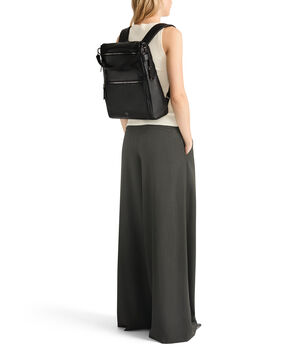
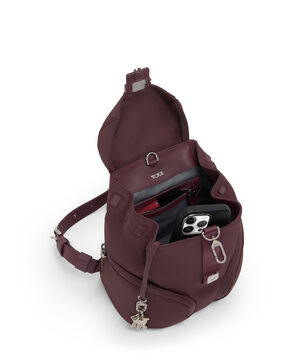
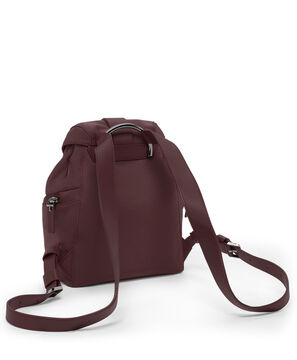
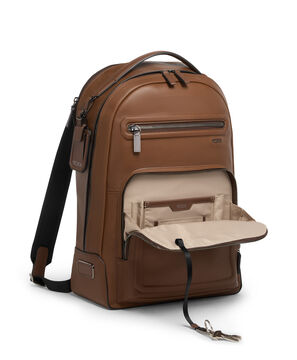
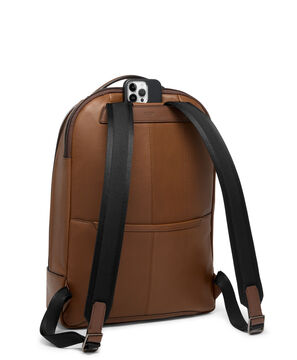
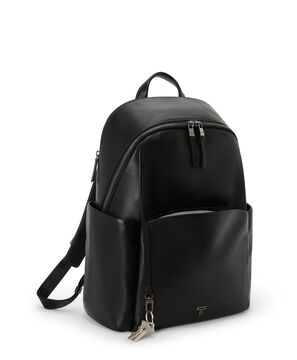
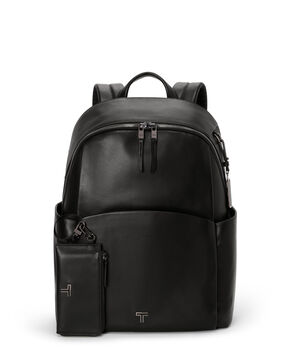
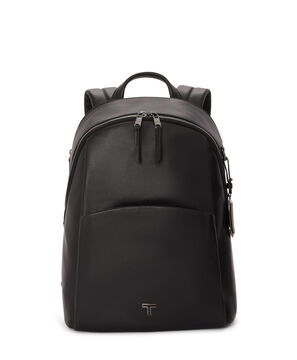
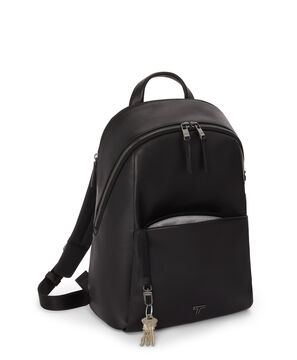
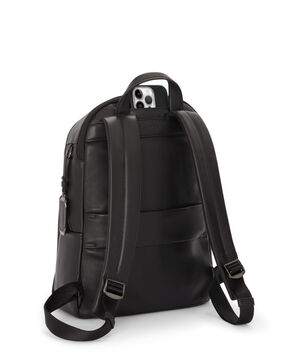
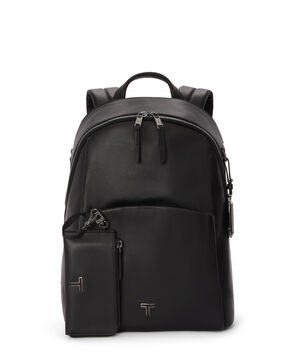
- Leather backpacks: a premium, durable material that changes as you carry it, developing a patina unique to each bag.
- FXT Ballistic Nylon backpacks: our most durable fabric, for a bag that holds up to constant use.
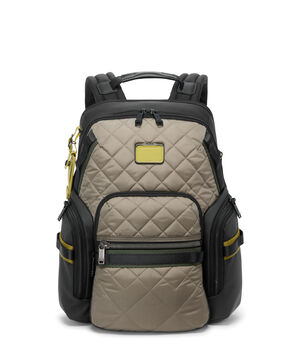
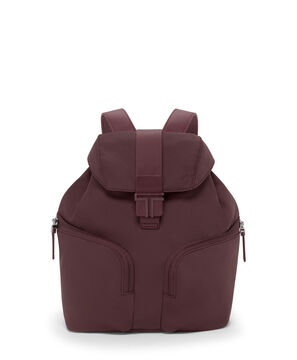
- Nylon backpacks: lightweight with a subtle sheen and an understated finish.
You will find more across the range, including aluminium. Use the material filter to narrow it down.
What to look for in any backpack
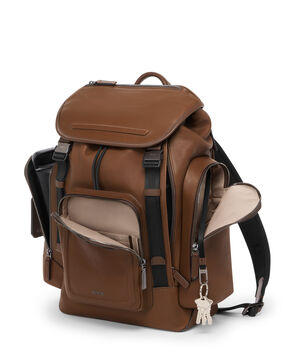
Organisation that matches what you carry
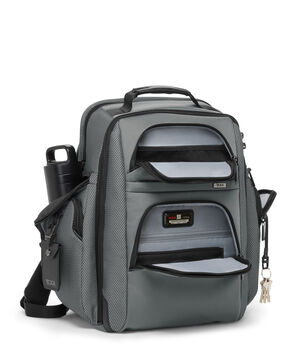
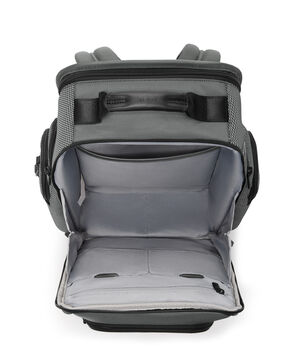
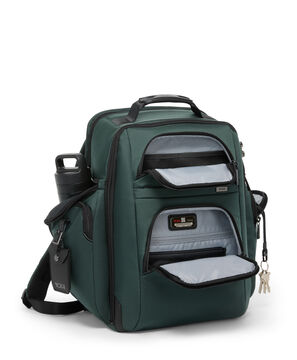
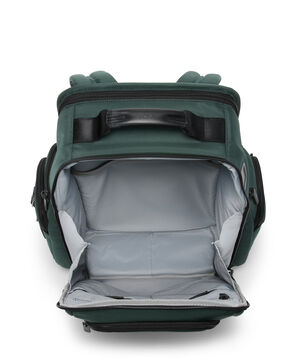
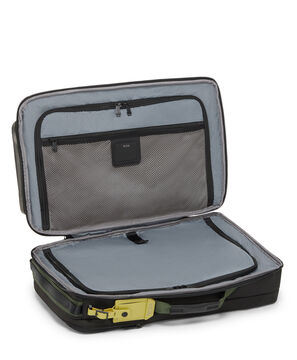
Count what actually goes in the bag on a normal day, then look for a backpack with a place for each of those things. A bag with one deep compartment works for very few people, and the difference between finding something in two seconds and searching for a minute is one you feel daily.
Comfort across a full day
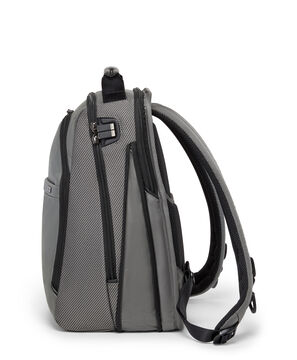
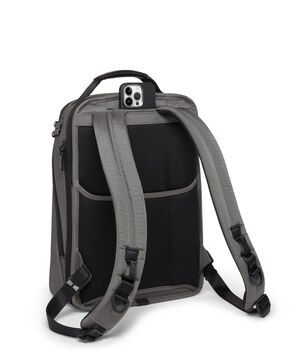
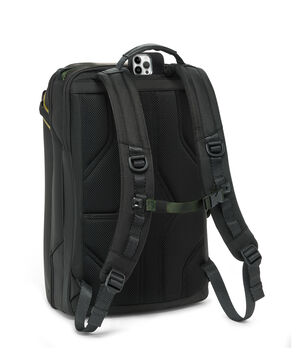
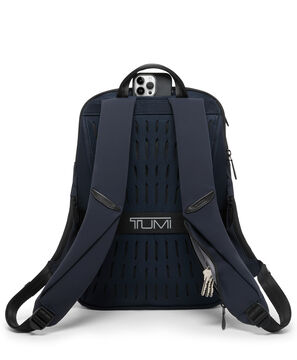
Padded, contoured straps and a supportive back panel distribute weight properly, which matters more the longer the bag is on your shoulders. A backpack carrying a laptop, charger and a water bottle is heavier than it looks.
Capacity that fits your routine
Choose for the day you actually have rather than the busiest one you can imagine. A bag that is permanently half empty is harder to carry than a smaller one that is properly full, because contents shift rather than staying in place.
Beyond backpacks
If two straps are not what you are after, the wider range covers other ways to carry.
- Laptop bags to carry by hand or over one shoulder.
- Duffle bags and weekenders for short trips that do not need wheels.
- Cabin luggage for the wheeled case a backpack travels alongside.
- Travel organisers to bring structure to whatever you carry.
Designed to be kept
A backpack is picked up and set down dozens of times a week, and every one of those is a small test of how it was made. Every TUMI backpack is built for that, and when something does eventually need attention, our repair network services individual components rather than replacing the bag. Add an embroidered or embossed monogram on selected styles to make yours unmistakably your own.
FAQ
Which TUMI backpack should I choose?
Start with where the bag will spend most of its time, because that narrows the range faster than anything else. If it carries a laptop to and from work, a laptop backpack is organised around exactly that. If it travels with you through airports and hotels, a travel backpack is built for the journey instead. For days that call for something less formal, an active backpack has a more relaxed shape. Once the purpose is settled, material becomes a question of preference: leather, FXT Ballistic Nylon, fabric, aluminium are all available, and you can filter by material on any category page. If two or more categories seem to fit, choose for the use that happens most often rather than the occasional exception.
What size backpack do I need?
Work from what you carry on a normal day rather than an unusually busy one. List the things that go in every time, check they will fit comfortably, and allow a little space for the extras that appear occasionally. If a laptop is among them, check the stated compatibility on the product page against your device, since that is usually the deciding measurement. A backpack that is permanently half empty is less comfortable than a smaller one properly filled, because loose contents shift as you walk. Dimensions and capacity are listed on every product page, so compare a few before deciding.
Which backpack material is best?
There is no single best material, which makes this a question of preference rather than quality. Leather changes as you carry it, softening and developing a patina unique to each bag, and suits anyone who wants the bag to age rather than simply last. FXT Ballistic Nylon is our most durable fabric and holds up to constant use, making it the practical answer if the bag goes everywhere with you. Nylon is lightweight with a subtle sheen and an understated finish. You will also find other materials across the range, including coated canvas, each with its own character. Choose the one you want to be seen carrying.
Can I take a backpack on a plane as hand luggage?
In most cases, yes. Airlines typically allow a personal item that fits under the seat in front of you, alongside a larger cabin bag for the overhead locker, and most backpacks are sized for that smaller allowance. Larger backpacks may need to go in the overhead bin instead, so compare the measurements on the product page against your ticket. Some fares include only the personal item, in which case a backpack may be all you can bring into the cabin. Allowances differ between airlines and between fare types on the same airline, so always check with your carrier before you fly.
How do I look after a backpack?
Most care is simple and makes a real difference over years. Empty the bag out occasionally rather than letting things collect at the bottom, since grit works into seams and zips over time. Wipe fabric down with a damp cloth and let it dry naturally at room temperature rather than near a radiator. For leather, use a soft dry cloth to lift dust, and store the bag upright and loosely filled so the shape holds. For marks that need more than a wipe, use a cleaner made for the material, since fabric and leather each have their own formula. When something does eventually need repair, our repair network can service zips, straps and handles individually rather than replacing the whole bag.