Make it Yours with TUMI personalisation. Discover


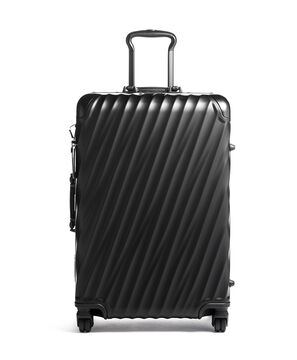
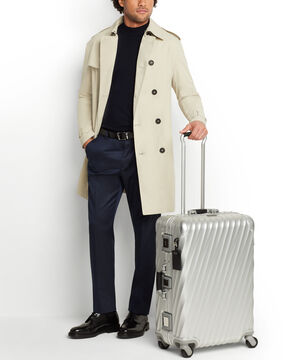


You Might Also Like


Aluminium Luggage
Aluminium luggage is a different proposition to a fabric or polycarbonate case. The shell is metal, the case closes with latches rather than a zip, and the material stays exactly where it is rather than flexing and returning. That makes an aluminium suitcase the choice when protecting what is inside matters more than packing flexibility. It also means an aluminium case suits some travellers more than others.
What aluminium gives you
Structural protection
A rigid shell distributes pressure across the whole case rather than concentrating it where something is pressing. For cameras, instruments, tech and anything with moving parts, that is the most meaningful protection available in travel luggage.
A shape that holds
Latch closures seal the case along a fixed perimeter, so the silhouette stays exactly the same whether the case is full or half empty. It is the reason an aluminium case keeps its defined profile trip after trip.
A finish that changes
Aluminium develops a patina as it travels. Marks gather gradually, the surface gains depth, and the shell takes on a character no two cases share. For most owners this is the appeal rather than a drawback: a case that looks like it has been somewhere, rather than one that looks untouched.
What to consider before you choose
An aluminium suitcase asks for two compromises in exchange for what it offers. It carries more weight than a comparable polycarbonate case, and since that weight counts towards your allowance before you pack anything, it matters at cabin size as much as in the hold. And because there is no zip, there is no expansion, so the capacity you choose is the capacity you have. Neither is a flaw, but both should inform which size you pick.
Sizes
Our aluminium range covers compact cabin cases through to checked sizes and trunks, so you can build a full system in a single material. Because there is no expansion, size selection matters more here than it does with a zip case: choose for what you bring home rather than what you pack. If you regularly find yourself pressing down on the lid to close a case, size up. If you tend to travel with room to spare, the smaller size will serve you better.
Caring for aluminium
A little attention keeps an aluminium case looking considered. Wipe the shell down after travel, keep the latches clear, and use a protective cover in the hold if you would rather limit the marks. When a case does need attention, our repair network services individual components rather than replacing the case.
Explore the wider TUMI luggage range
If aluminium is not the right fit, or you want to combine materials across your luggage, these categories cover the alternatives.
- FXT Ballistic Nylon luggage for a soft-side case with exterior pockets and expandable capacity.
- Titanium luggage for a hard shell with a distinctive finish.
- Cabin luggage for every cabin case in the range, in all materials.
- Checked luggage for every checked case in the range, in all materials.
- Product care and luggage covers to protect and maintain an aluminium shell.
FAQ
Why choose an aluminium suitcase?
Choose aluminium when protection is the priority. The rigid shell spreads pressure across the case rather than letting it concentrate in one place, which makes it one of the strongest options for cameras, tech, instruments and anything fragile. Latch closures hold a fixed shape, so the case looks the same full or half empty. There is also the finish: aluminium takes on a patina as it travels, so the case becomes specific to its owner rather than staying uniform. If you value flexible capacity and exterior pockets more than structural protection, a soft-side case will suit you better.
Does aluminium luggage scratch and dent?
Yes, and that is part of how the material behaves. Aluminium records contact, so a case that travels regularly will gather scratches and marks, and as with any metal, the occasional nick or slight dent is to be expected. Many owners consider this the appeal, since the patina is unique to each case and builds a visible record of where it has been. If you would rather limit contact with the shell, a protective cover is the most effective option in the hold. None of it affects how the case protects what is inside.
Is aluminium luggage heavier than other materials?
An aluminium case carries more weight than a comparable polycarbonate one, which is the trade-off for its rigidity. Both cabin and hold allowances are set by size and weight, and the weight of the case itself counts towards yours before you pack anything. It matters most at cabin size, where allowances are tighter, so an empty case takes up a larger share of what you are permitted. In practice this means packing with a little more awareness rather than avoiding the material. Check the weight of any case on its product page and compare it against what your airline permits before you choose a size.
Can aluminium luggage be expanded?
No. Expansion works by releasing extra material behind a zip, and an aluminium case closes with latches along a rigid perimeter instead. The capacity you choose is therefore the capacity you have for the life of the case. That makes size selection more important than it is with an expandable case, so consider what you bring home as well as what you pack. If you regularly return with more than you left with, either choose one size larger or pair your aluminium case with a second bag.
How do I look after an aluminium suitcase?
Routine care is straightforward. Wipe the shell with a soft, damp cloth after travel to remove dust and residue, and dry it properly rather than leaving moisture on the surface. Keep the latches and wheel housings clear of grit, since that is where build-up affects how a case operates. A luggage cover is the most effective way to limit marks if you would rather the shell stayed close to its original finish. For anything beyond routine cleaning, our repair network can service wheels, handles and latches individually.