Make it Yours with TUMI personalisation. Discover


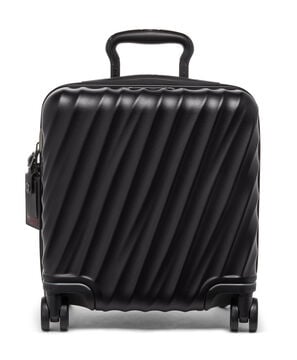
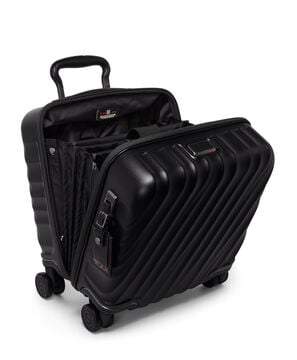
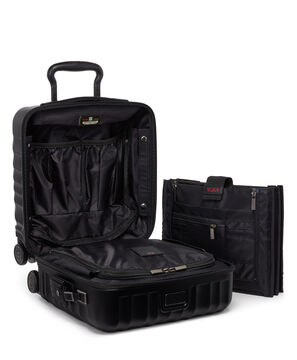
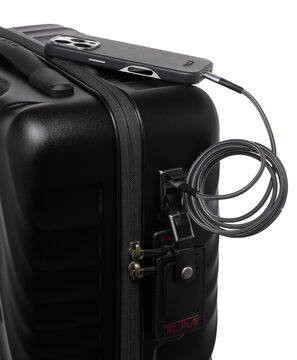
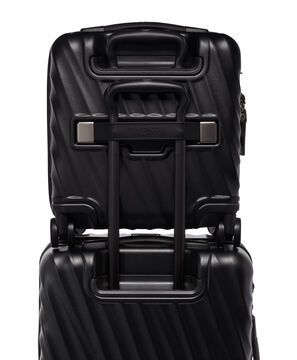

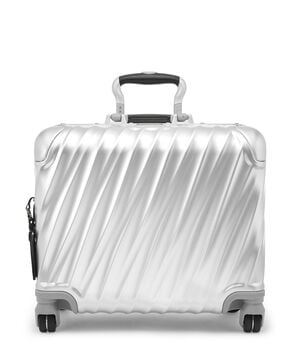
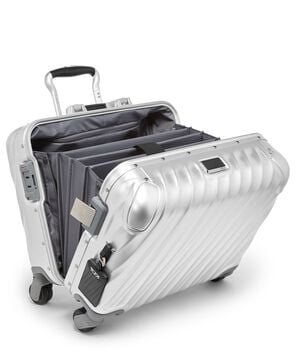
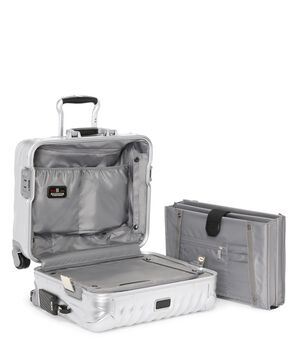


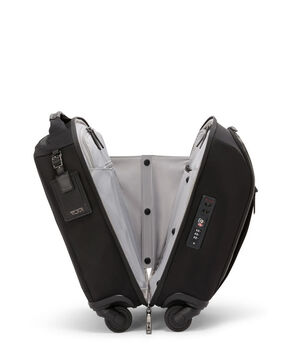
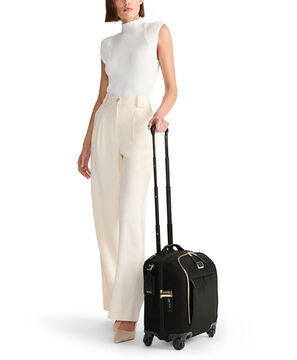
You Might Also Like


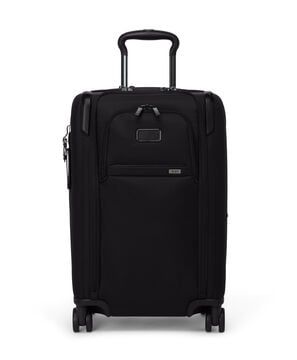


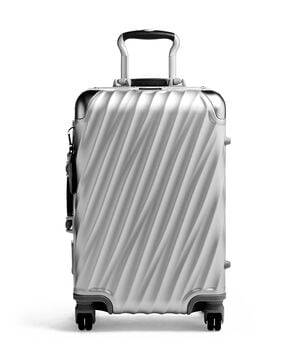

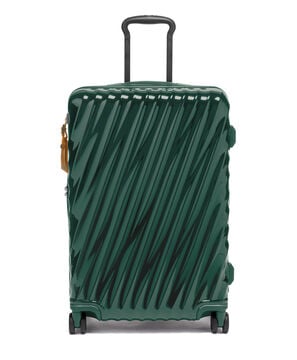

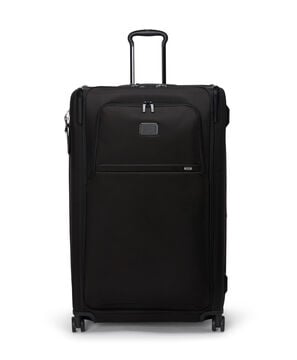


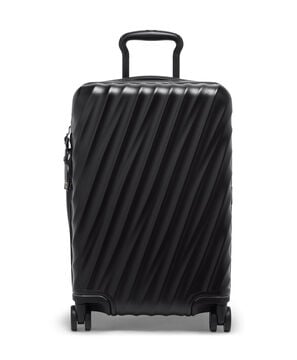

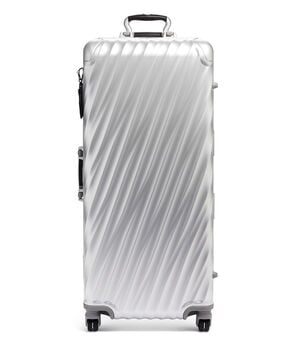
How to choose your cabin luggage
Cabin luggage has to do a lot in a small space. It needs to fit the overhead bin, carry everything a trip requires, and open flat with your belongings exactly where you packed them. TUMI cabin luggage is built for that, with durable materials, considered interiors and components tested to last. Whether you fly weekly for work or twice a year for a long weekend, the right case makes the journey simpler.
Start with how you travel
The right case is the one that matches your habits, not the one with the longest feature list. Consider how often you fly, whether you need to reach a laptop at security, and how much you tend to bring home. A cabin case earns its place through the details you use every day.
Access and organisation
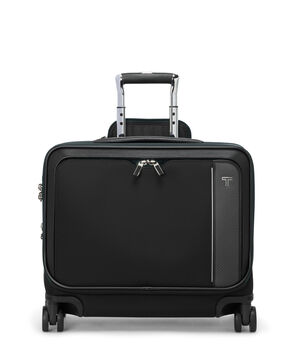
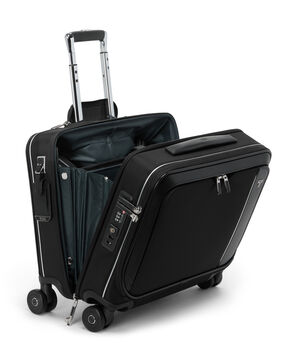
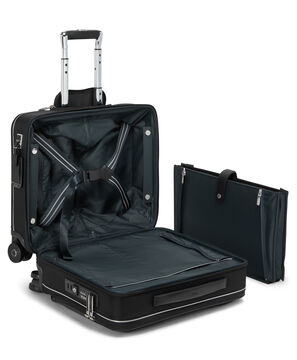
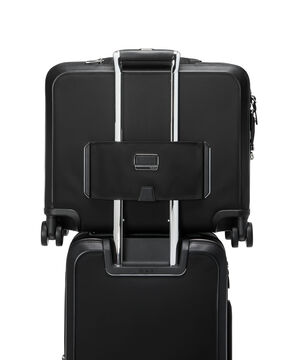
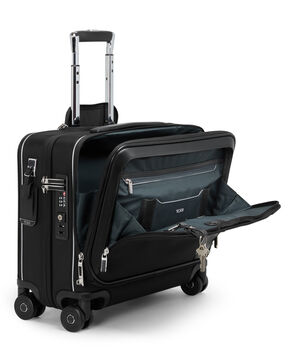
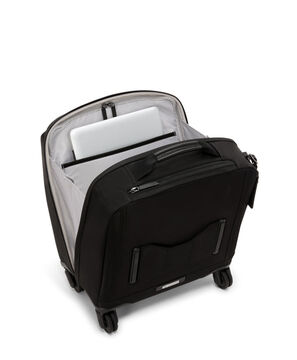
Interior compartments, tie-down systems and dedicated pockets keep clothing, tech and documents separated, so nothing shifts in transit and nothing gets lost at the bottom of the case. Selected designs offer front access as well as the main compartment, letting you reach a laptop or a document without unpacking in the security queue.
Expandable capacity
Expandable cabin luggage gives you extra volume when you need it and a slimmer profile when you do not. It is a practical answer to the return journey, when the case that left half empty comes home full. Expanded dimensions vary by case, and cabin allowances vary by airline, so an expanded case that is accepted on one carrier may be over the limit on another. Check the expanded measurements against your airline's allowance, and use the expansion for checked travel, car journeys or trains when it exceeds the allowance.
Construction that lasts
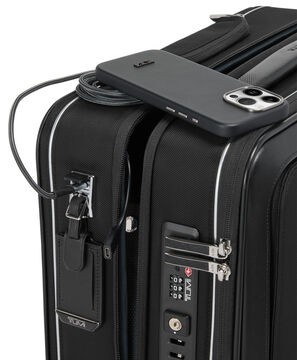
Wheels, handles, zips and corners take the most use. Reinforced components and durable shell materials are what keep a case performing across years of travel rather than a single season.
Cabin luggage sizes explained
Cabin allowances vary by airline, route and fare type, so always confirm the dimensions with your carrier before you fly. To make the decision simpler, our cabin range is grouped into three sizes:
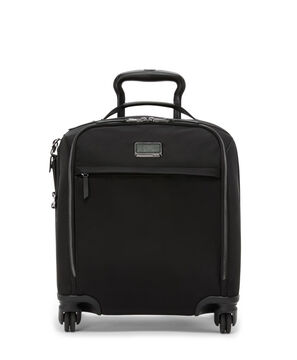
- Compact Cabin: the smallest profile in the range, suited to short trips and airlines with tighter allowances.
- Standard Cabin: the most widely compatible size, for two to four days away.
- Large Cabin: maximum capacity for the overhead bin, for travellers who pack more
Choose your material
Material shapes how a case feels, how it wears and how it protects what is inside. Hard-shell cases in polycarbonate, aluminium or titanium hold their shape and shield fragile contents. Soft-side cases give you flexibility, exterior pockets and a little forgiveness when the bin is already full.
- Aluminium luggage: exceptional strength and resilience, in a shell that develops its own character with use.
- FXT Ballistic Nylon luggage: our most durable fabric, with the exterior pockets and flexibility only a soft-side case offers.
- Titanium luggage: a distinctive, hard-wearing shell designed for the long term.
Explore the wider TUMI luggage range
Cabin luggage rarely travels alone. Build a system that works across every trip length, from an overnight to a month away.
- Checked luggage for longer trips and heavier packing.
- Luggage sets to pair a cabin case with a checked case in one coordinated look.
- Duffel bags and weekenders for short breaks that do not need wheels.
- Travel organisers to structure the inside of your case.
Designed to be kept
A TUMI case is built to stay with you. Add an embroidered or embossed monogram on selected cases to make yours unmistakable, register it with TUMI Tracer so a lost bag has a route back to you, and rely on our repair network to keep it moving. Choose well once and the same case will carry you through years of travel.
FAQ
What size should cabin luggage be?
There is no single standard, which is why it pays to check before you book. Cabin allowances differ between airlines, and often between fare types on the same airline, so always confirm the maximum dimensions with your carrier before you fly. To make choosing easier, our cabin luggage is grouped into three sizes: Compact Cabin, Standard Cabin and Large Cabin. Compact Cabin suits short trips and tighter allowances, Standard Cabin is the most widely compatible option, and Large Cabin offers the most capacity for the overhead bin. If you fly with several airlines, the smaller sizes give you the widest compatibility.
Is cabin luggage the same as hand luggage and carry-on luggage?
Yes, the three terms describe the same thing: the bag you take into the cabin with you rather than checking into the hold. Cabin luggage and hand luggage are used most often in the UK and Europe, while carry-on luggage is the standard term in North America. Airlines may also distinguish between a larger cabin bag that goes in the overhead bin and a smaller personal item that fits under the seat in front of you. Check which allowance your ticket includes, as some fares cover only the smaller item. A wheeled cabin case is designed for the overhead bin.
Should I choose hard-shell or soft-side cabin luggage?
It depends on what you carry and how you pack. Hard-shell cabin luggage in polycarbonate, aluminium or titanium holds its shape and protects fragile contents, which makes it the stronger choice for cameras, tech and anything you would rather not risk in transit. Soft-side cases, including those in FXT Ballistic Nylon, give you exterior pockets and a degree of flexibility when the overhead bin is already full, so a laptop, a passport or a jacket stays within reach. A useful way to decide is to think about when you open your case: if that mainly happens at your destination, hard-shell suits you, and if it happens in transit, soft-side will serve you better.
Is expandable cabin luggage worth it?
For most travellers, yes. An expandable cabin case keeps a slim profile on the outbound flight and gives you extra volume for the journey home, which is when luggage tends to fill up. It means one case can cover several types of trip without committing to a larger size you only need occasionally. Expanded dimensions vary by case and cabin allowances vary by airline, so an expanded case accepted on one carrier may be over the limit on another. Check the expanded measurements against your airline's allowance before you fly, and keep the expansion for checked travel, car journeys or trains when it does not fit.
How do I pack cabin luggage efficiently?
Start by deciding what you need rather than filling the case and hoping. Roll softer items to reduce bulk, lay structured pieces flat against the shell, and fill gaps with socks and smaller items so nothing shifts in transit. Packing cubes and pouches keep categories separate and make unpacking quicker at the other end, and they let you find one item without dismantling the whole case. Keep liquids, travel documents and anything you need at security in a smaller bag or travel backpack that travels as your personal item, or in a front compartment if your case has one. Finally, pack the clothes you need on arrival at the top, so you can reach them without unpacking everything.